Muhammed Demirbaş
I'm a software engineer in Ankara and have been building software for fifteen years, mostly distributed systems on the JVM. Until September 2026 I worked on Apache Spark and Iceberg at Huawei Big Data. I also build my own projects. Iceberg Lens is a desktop tool for seeing what an Iceberg table looks like on disk, and with LogMerge you can read a job's scattered logs as one timeline. I write about Spark, Iceberg, clean code and the tools I build.

Where I've worked and studied
Projects
All projectsProjects I've built, from a desktop tool for Iceberg tables to a puzzle app for my kids. Some are in use and others are still being built.
22 projects
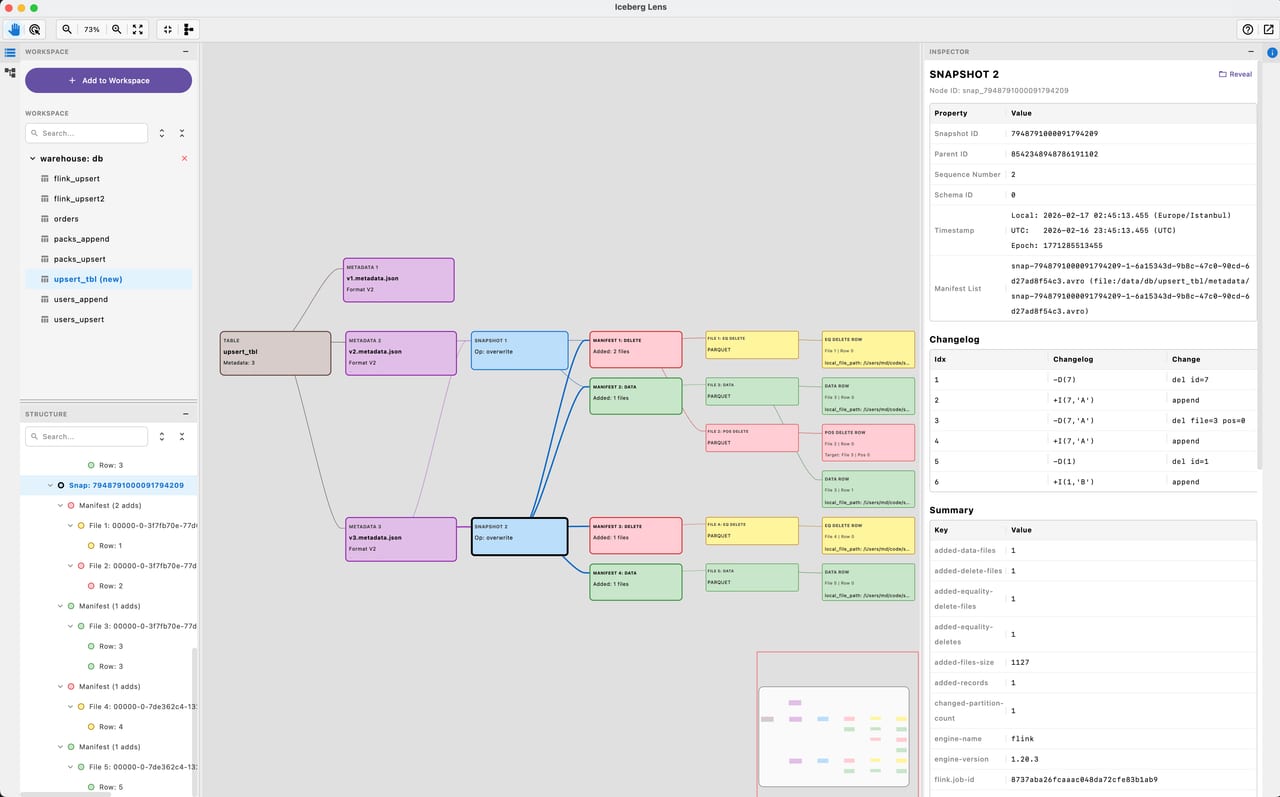
Iceberg Lens
liveSee what an Iceberg table really looks like on disk without opening its Avro and JSON files by hand. You can walk every level, from the metadata down to sample rows, one snapshot at a time.
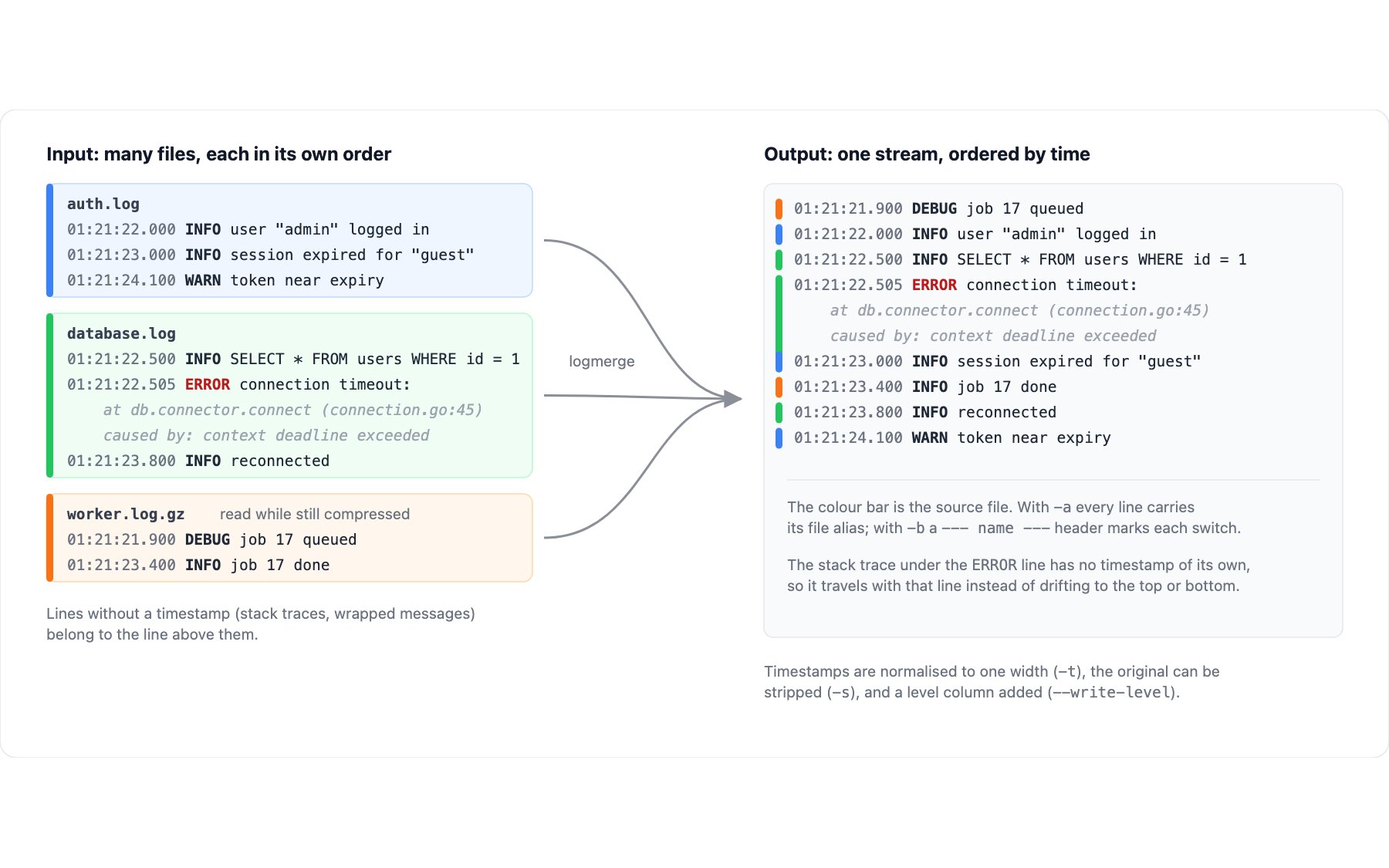
LogMerge
liveRead a job's logs, spread across a dozen files and archives, as one timeline. On an M1 Max it reads about 1 GB/s from disk.
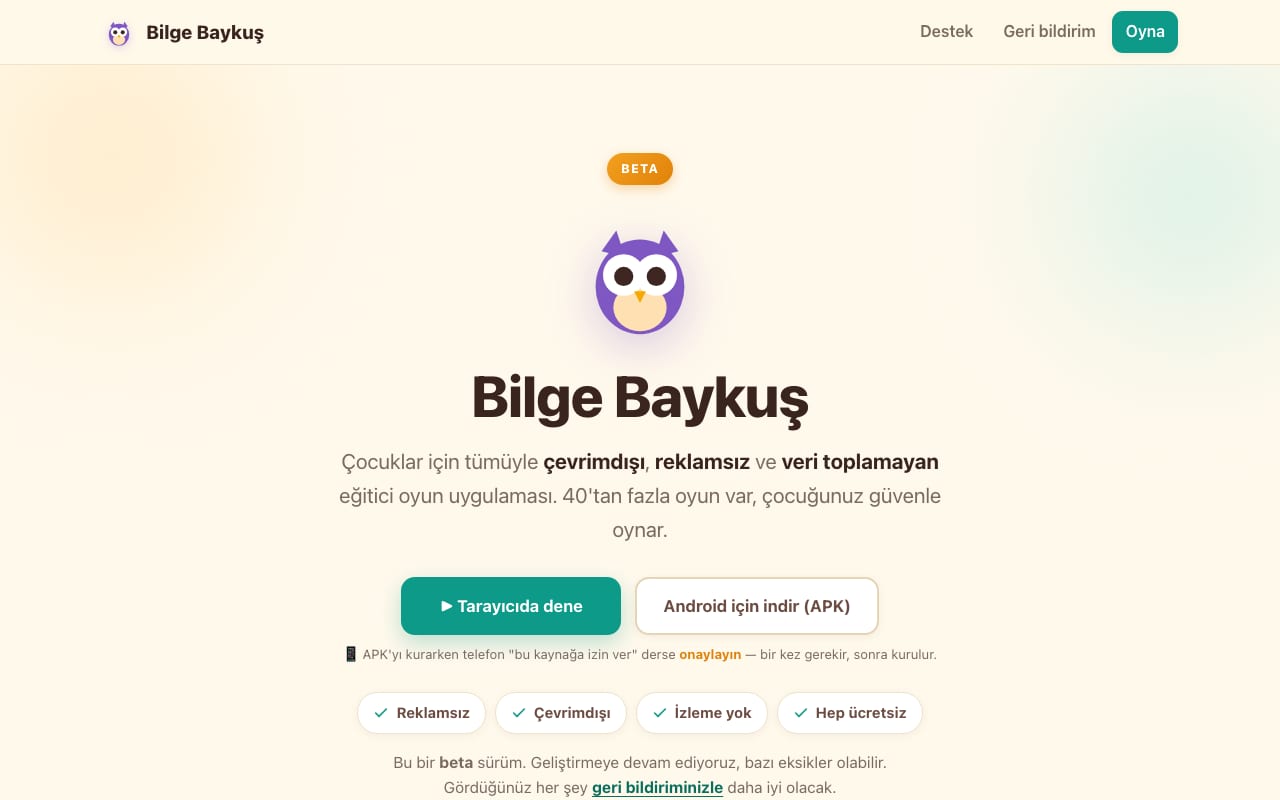
Bilge Baykuş
liveTurkish puzzle games your children can play without ads. There are more than forty, and all of them play offline, on the web and on Android.
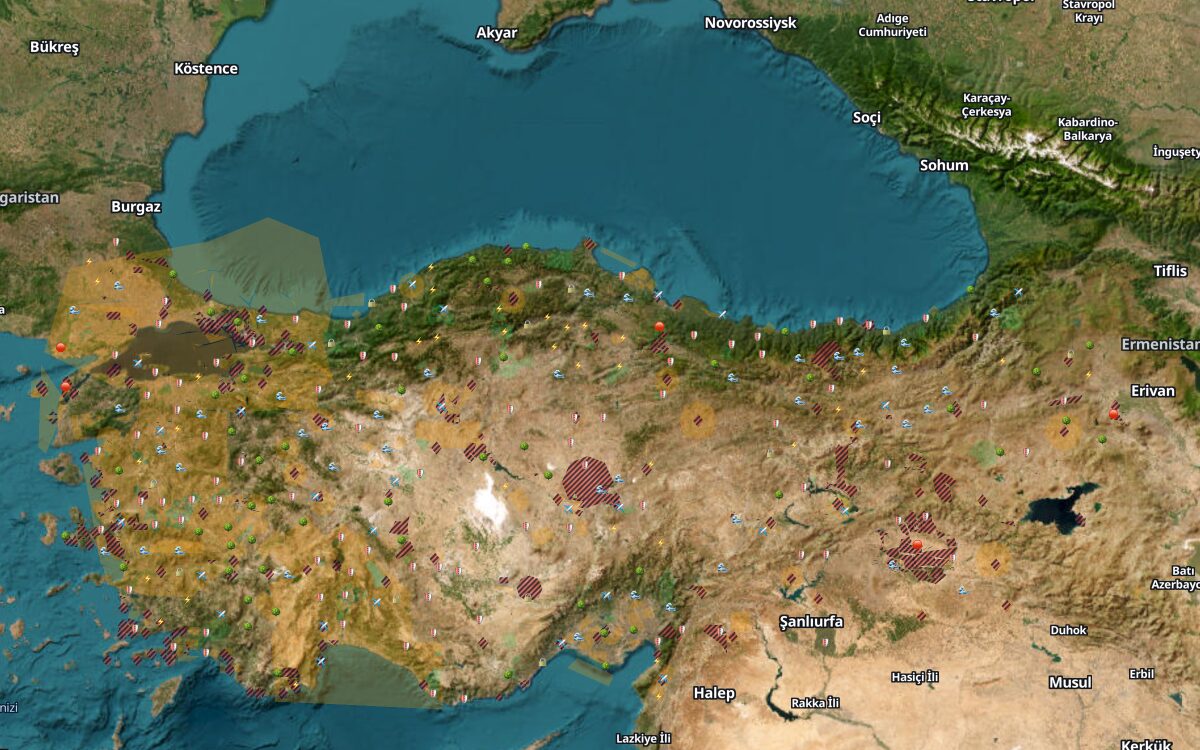
havasaha
liveSee whether you may fly your drone at a spot in Türkiye before you take off. SHGM zones, temporary NOTAM restrictions, 3D terrain and the day's sun times are on one map.
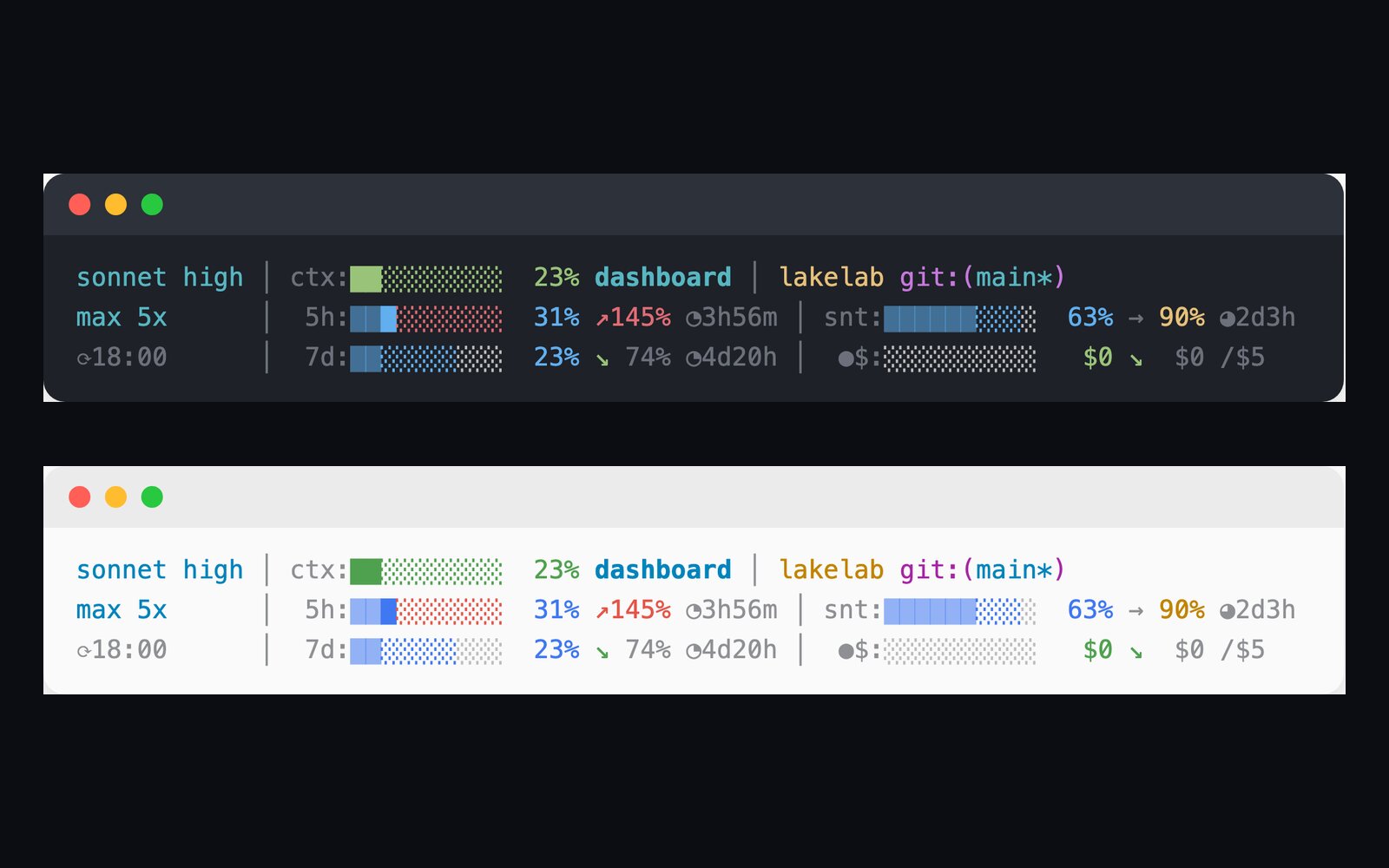
claude-quota
liveKnow while you work whether your Claude Code quota will run out before it resets. Every quota is in the statusline, and a pace arrow shows where your current pace will take you.
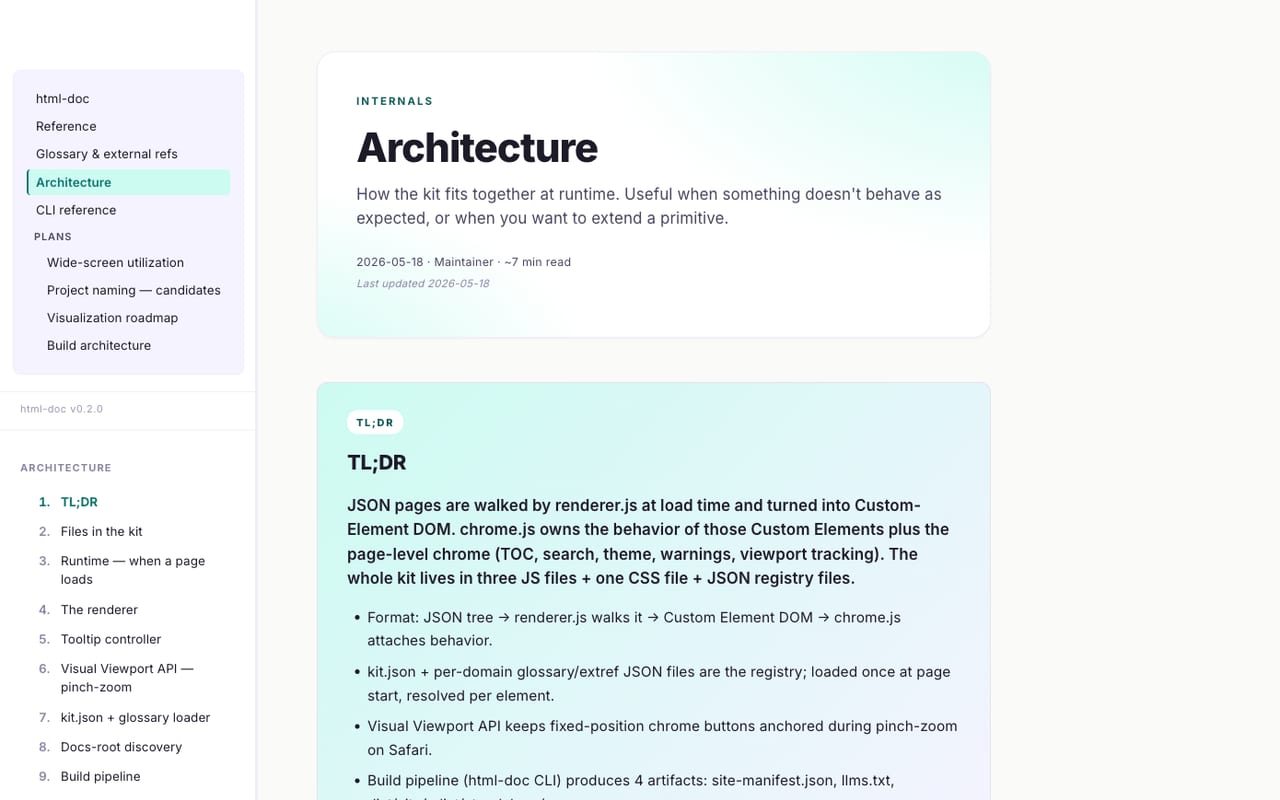
oku
liveSend a document written in Markdown as one HTML file your reader can open, with its charts and tables. One command also builds a searchable site and an llms.txt from the same pages.
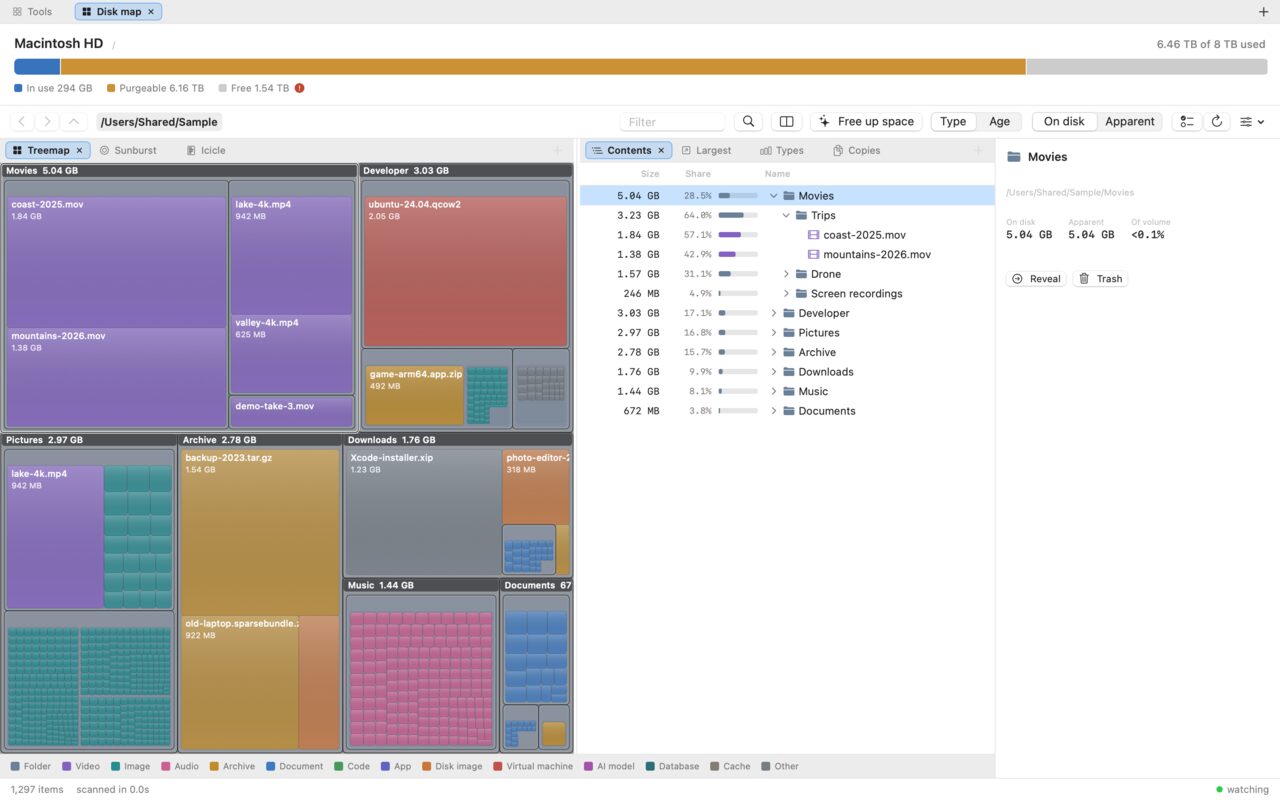
Disk Map
liveSee how much space your Mac really has free and how much of it you can get back. It also finds duplicate folders and shows you the plan before anything goes to the Trash.
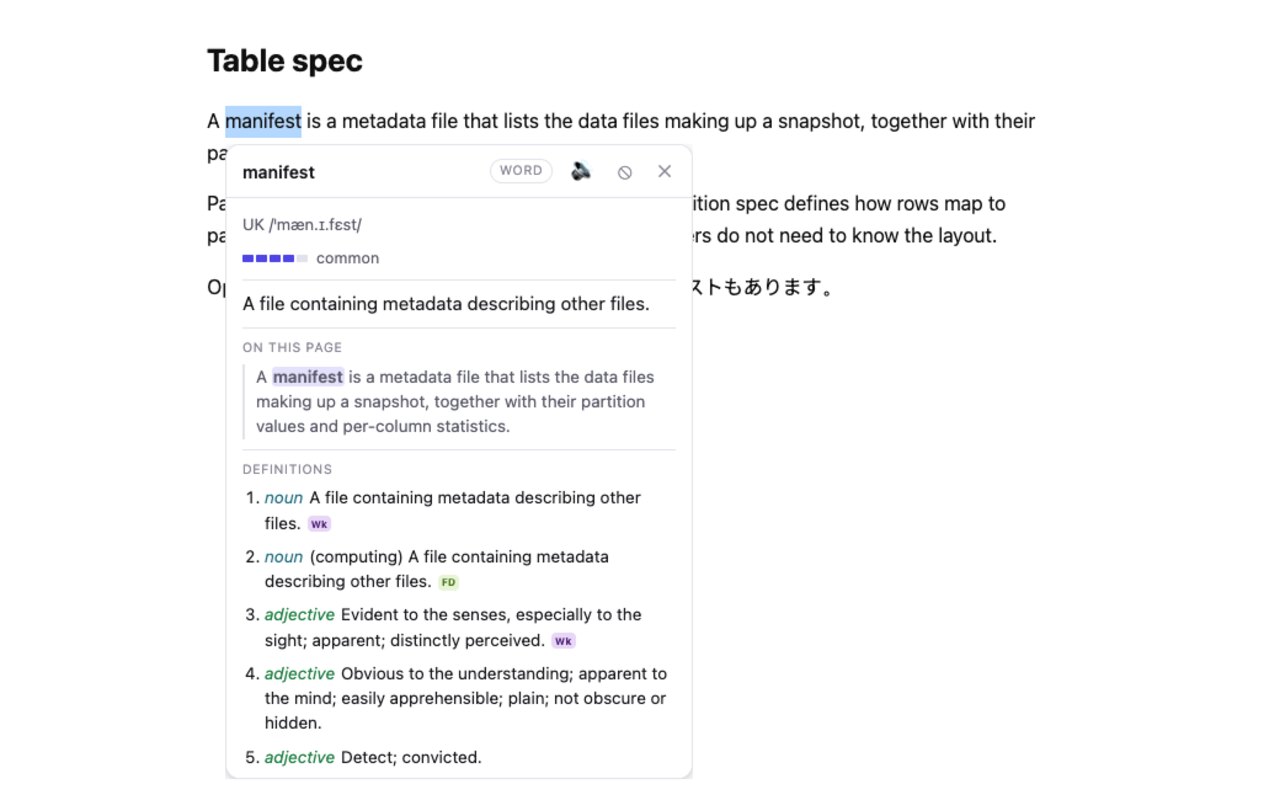
Quick Lookup
liveSelect a technical term and see what it means on the page you are reading, ahead of its other senses. The card opens under your selection, and the senses are ranked locally, with no model.
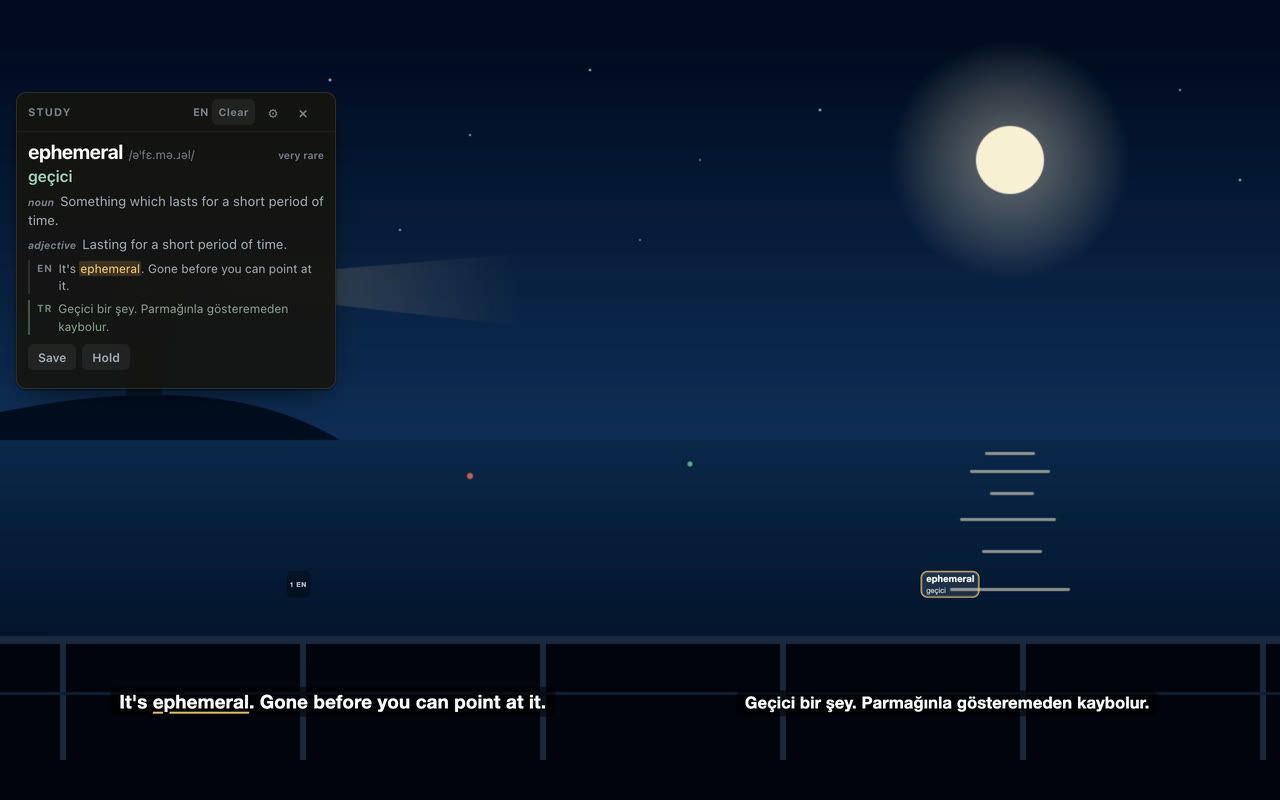
Subtitle Study Tool
liveLearn a language from the films you watch in your browser. It finds a subtitle for the video, keeps it in sync, puts a second language beside it and underlines words that are rare in film dialogue.
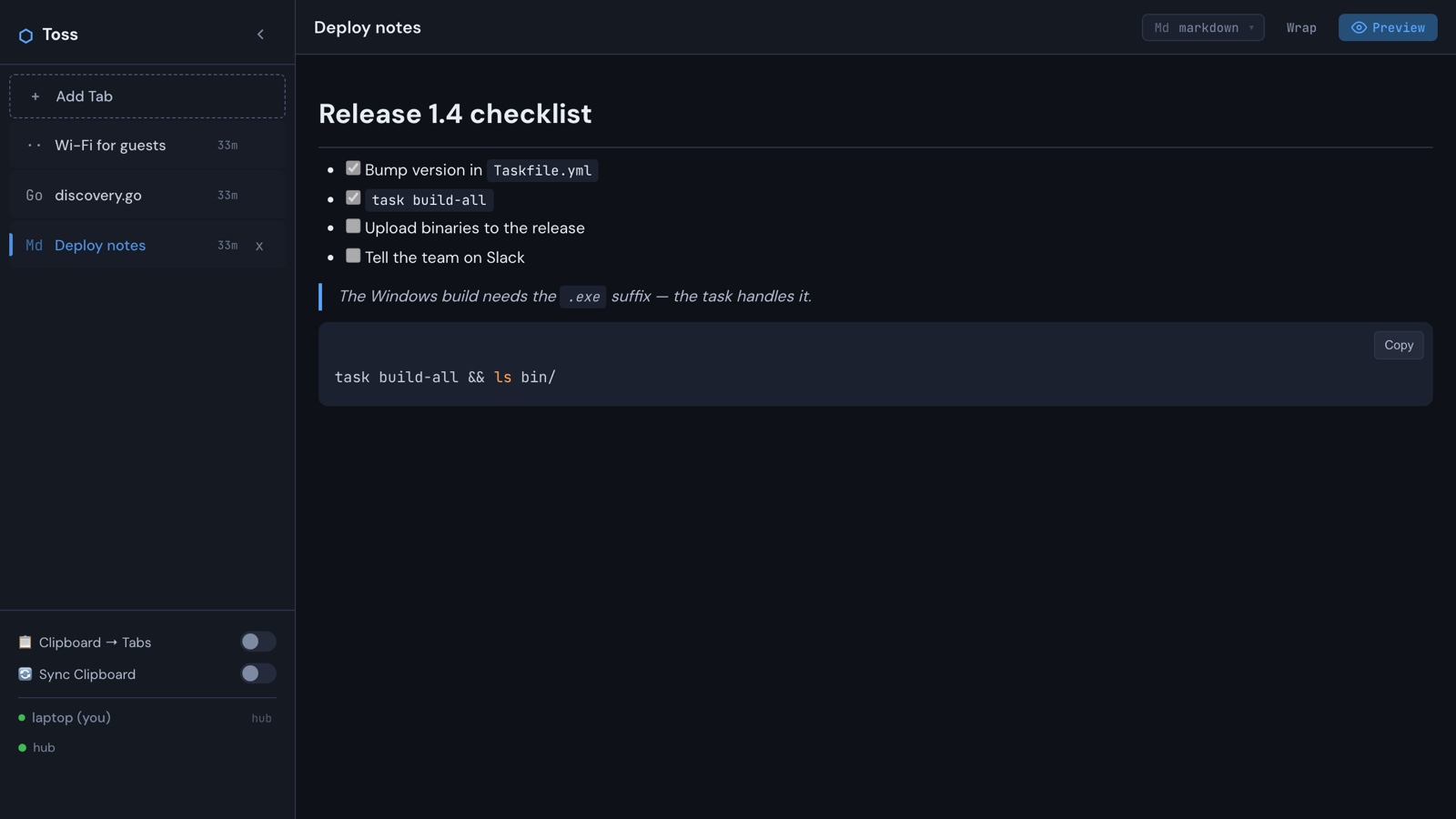
Toss
liveShare text, code, images and files between the devices on your local network with nothing to set up. It is one Go binary, and the devices find each other by UDP broadcast.
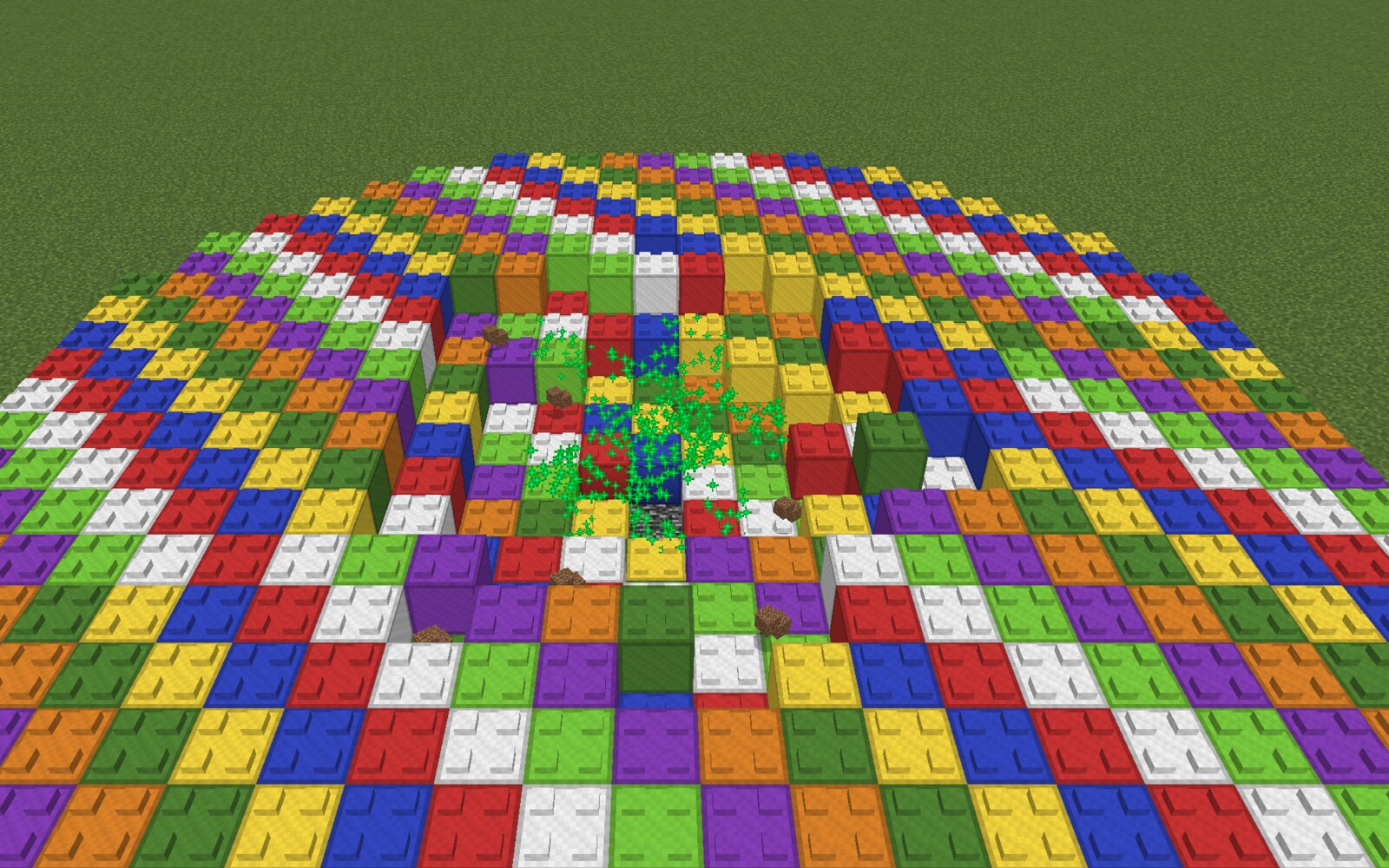
Super TNT
livePlay Minecraft Bedrock with 70 kinds of TNT, trap blocks, magic items, four giant monsters and 135 disguises, all from my kids' ideas. The whole add-on is generated from one Python file.
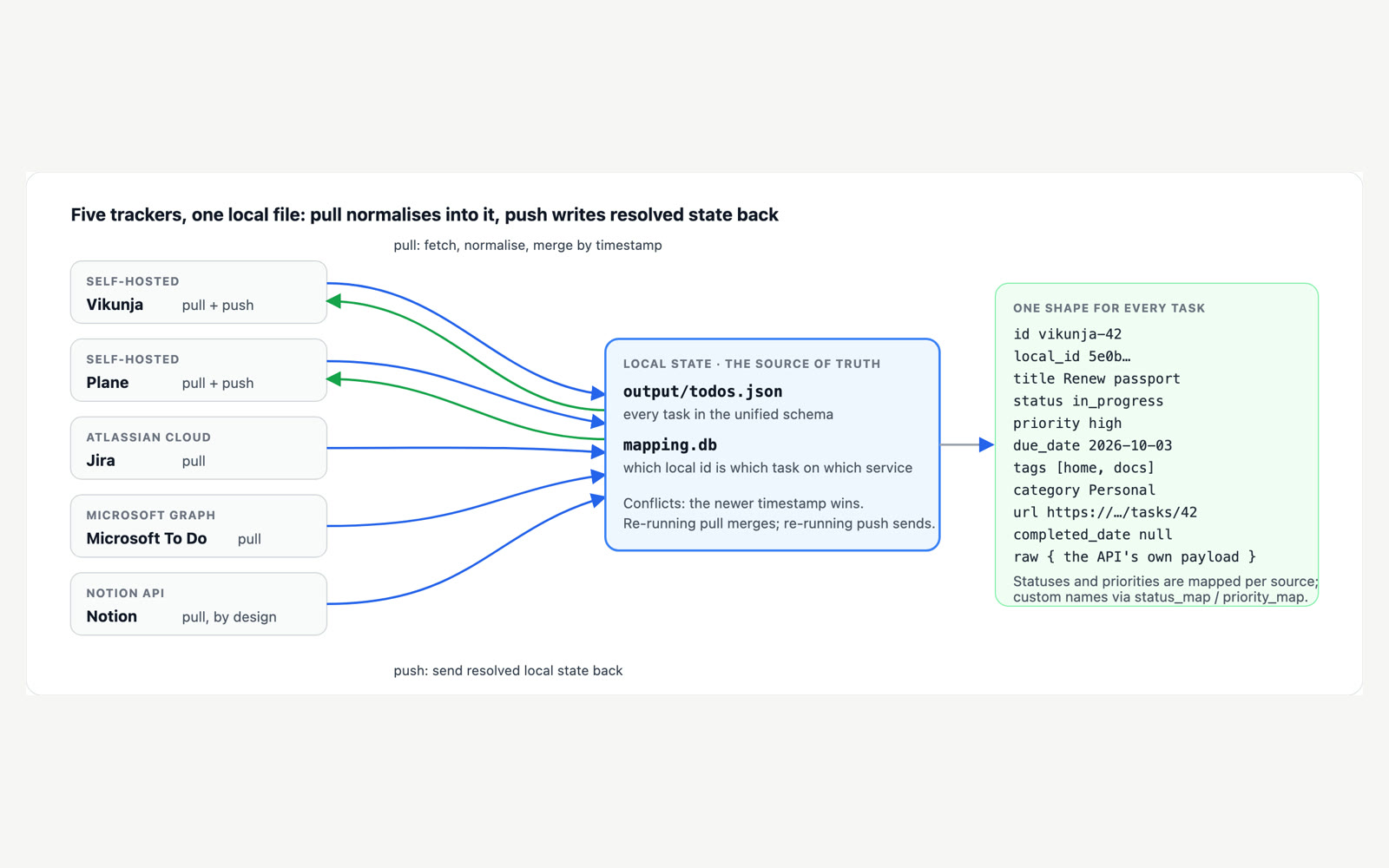
todo-harvest
liveSee your tasks from Vikunja, Plane, Jira, Microsoft To Do and Notion in one local file, under one schema. Changes you make go back to Vikunja and Plane.
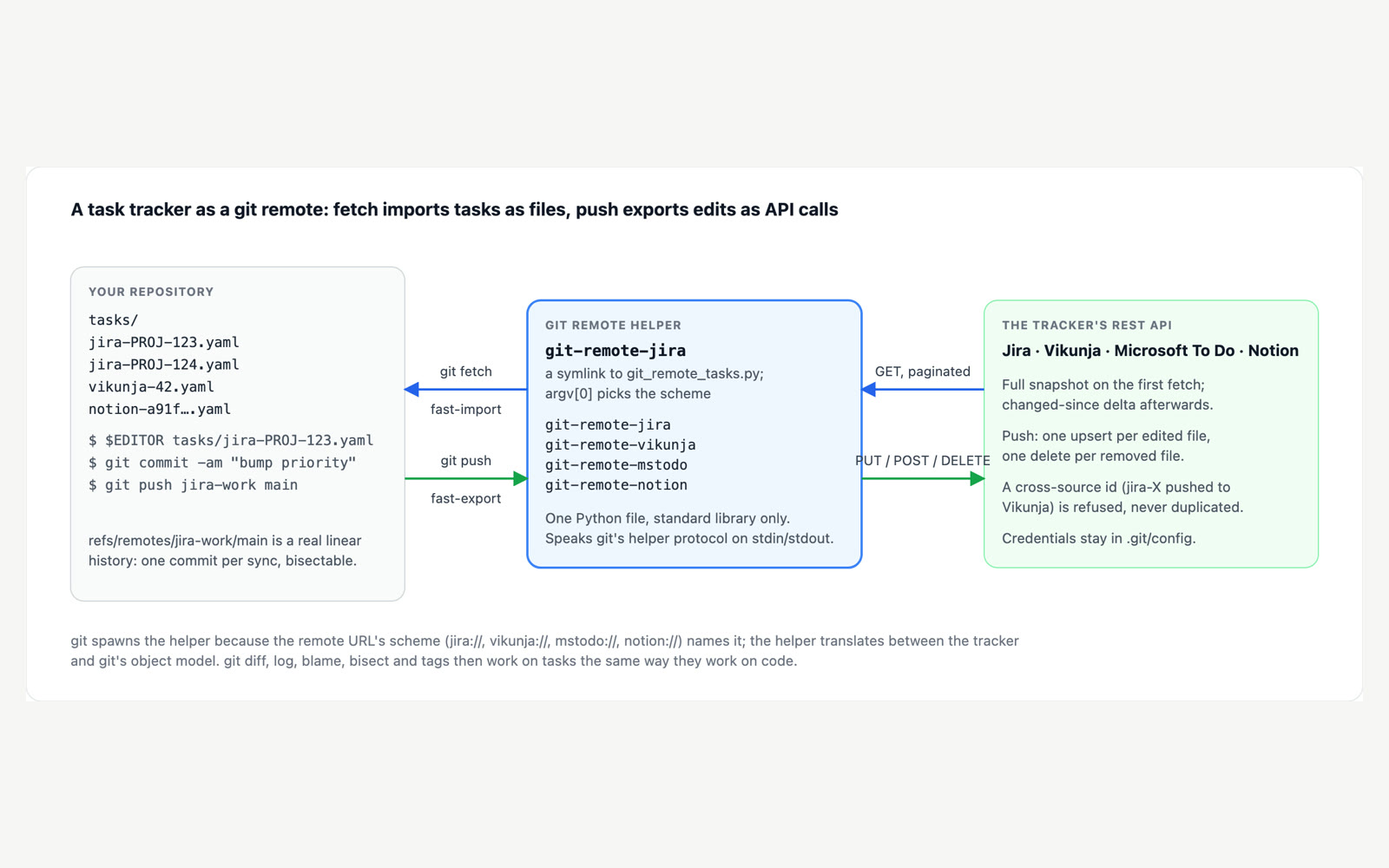
git-remote-tasks
liveWork on your Jira, Vikunja, Microsoft To Do and Notion tasks with git. Fetch brings each task in as a file, push sends your edits back, and diff, log, blame and bisect work on tasks.
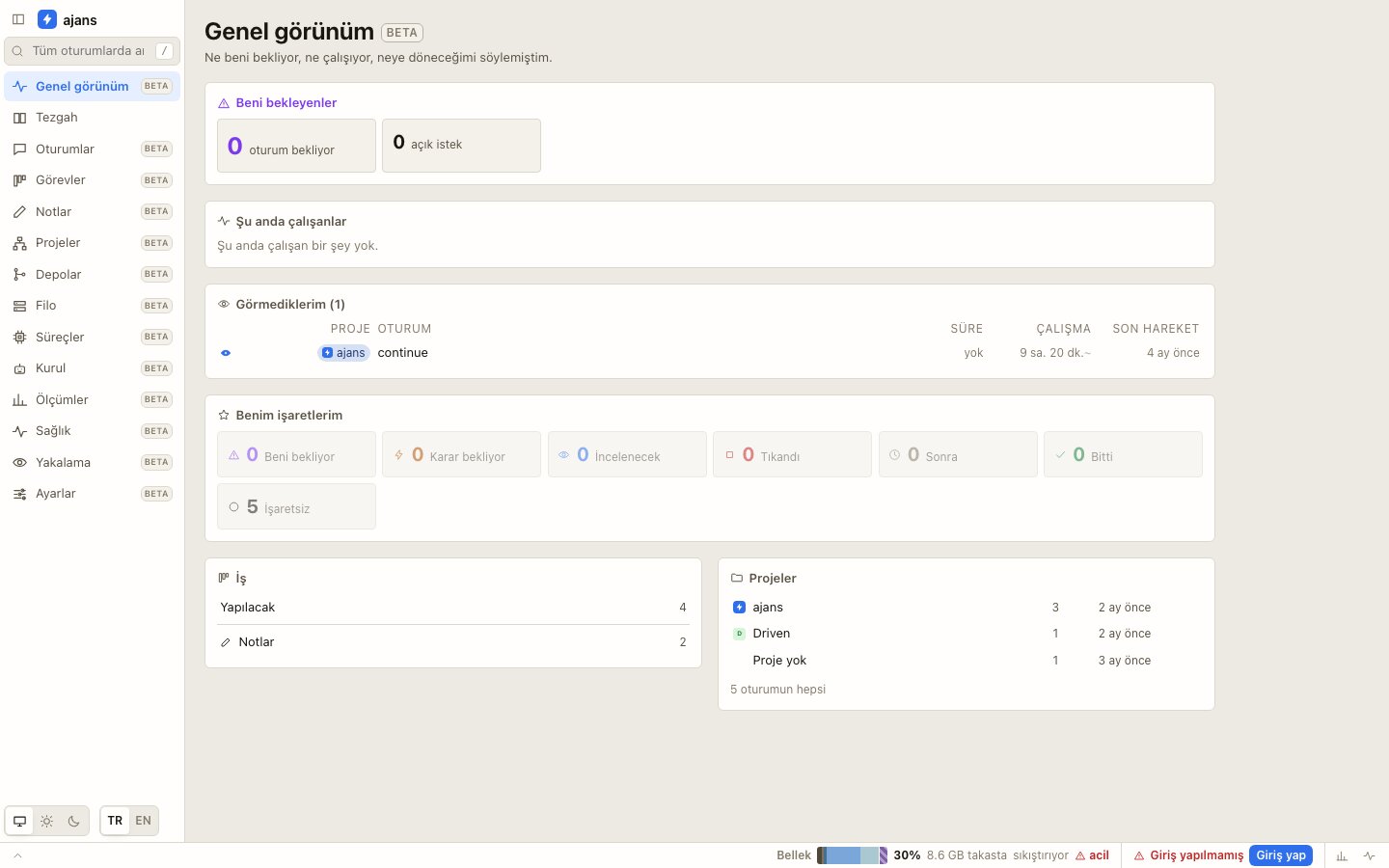
Ajans
coming soonSee which of your coding-agent sessions are waiting for you, which are still working and what each one produced, on one local board.
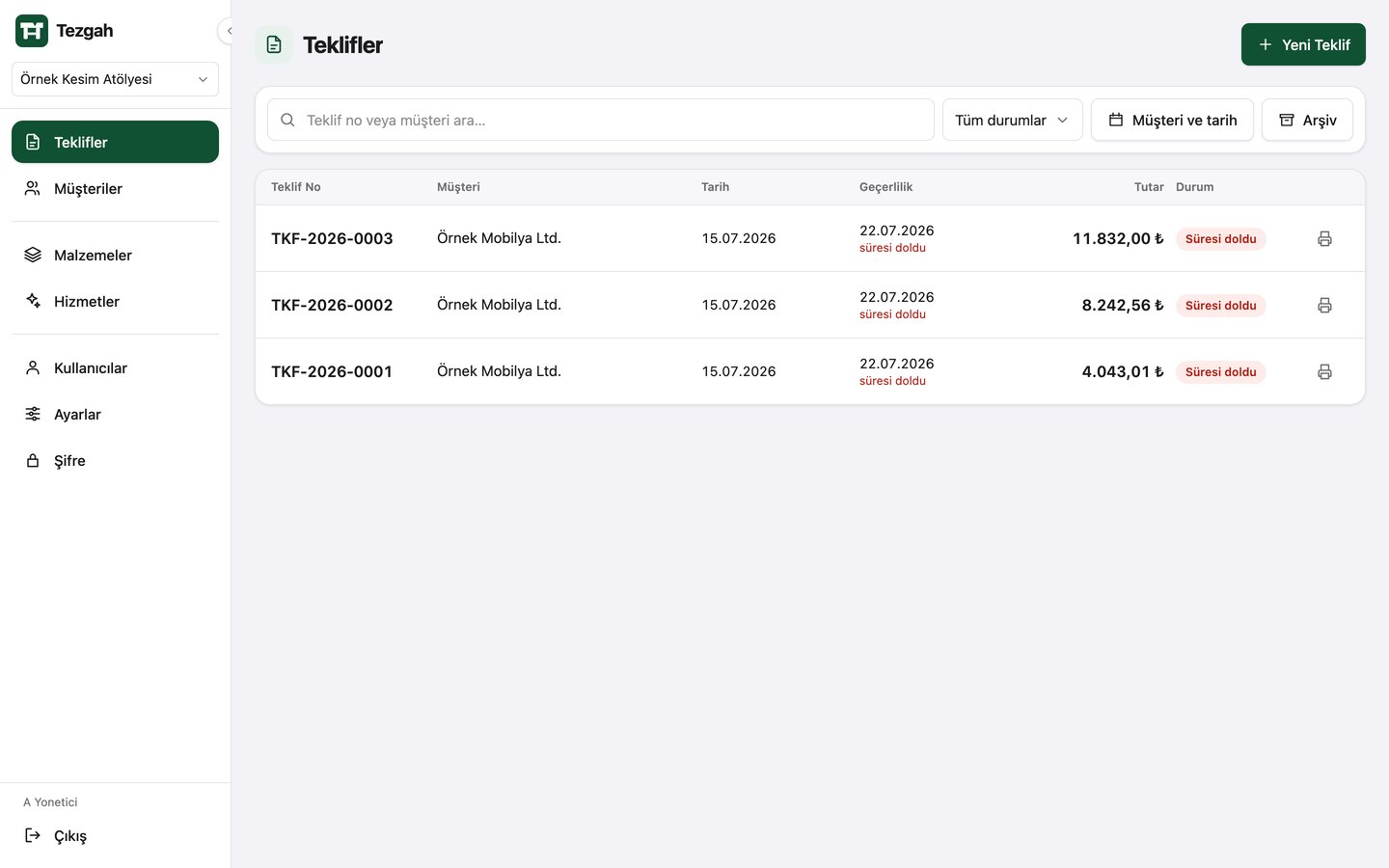
Tezgah
liveYour panel-cutting customers get an A4 quote with your logo and a price on every line. You enter the cutting list, and the square metres, edge banding and VAT are worked out for you.
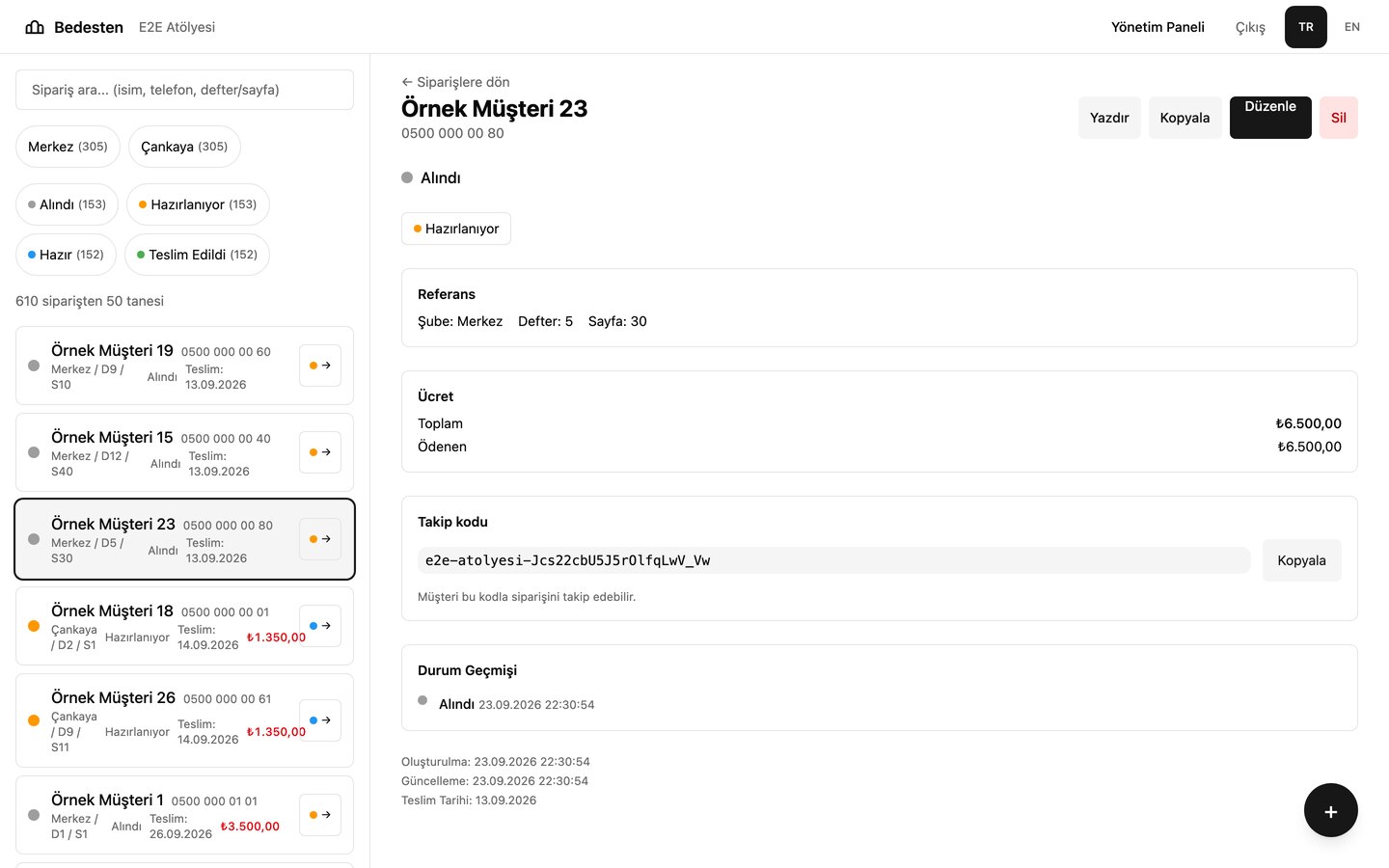
Bedesten
liveTailors and shirtmakers can find a customer's measurements without leafing through the order book. Last time's measurements load into the form, and the customer follows the order on their own phone with the code on the receipt.
Mütercim
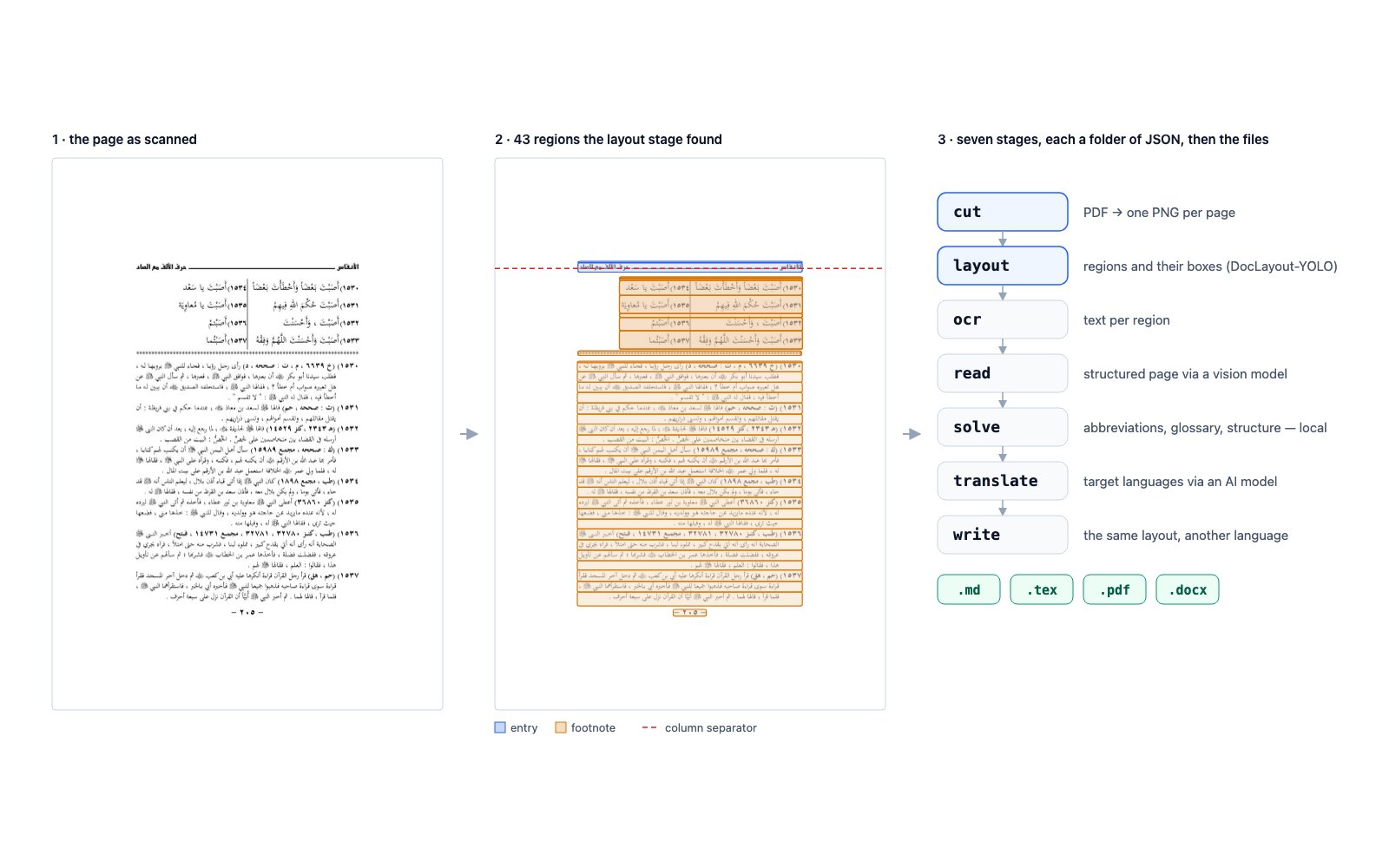
in progressTranslate a PDF into another language and keep its layout. A seven-stage command-line pipeline goes from page images through layout detection, OCR and AI models to Markdown, LaTeX, PDF or DOCX.
Movies
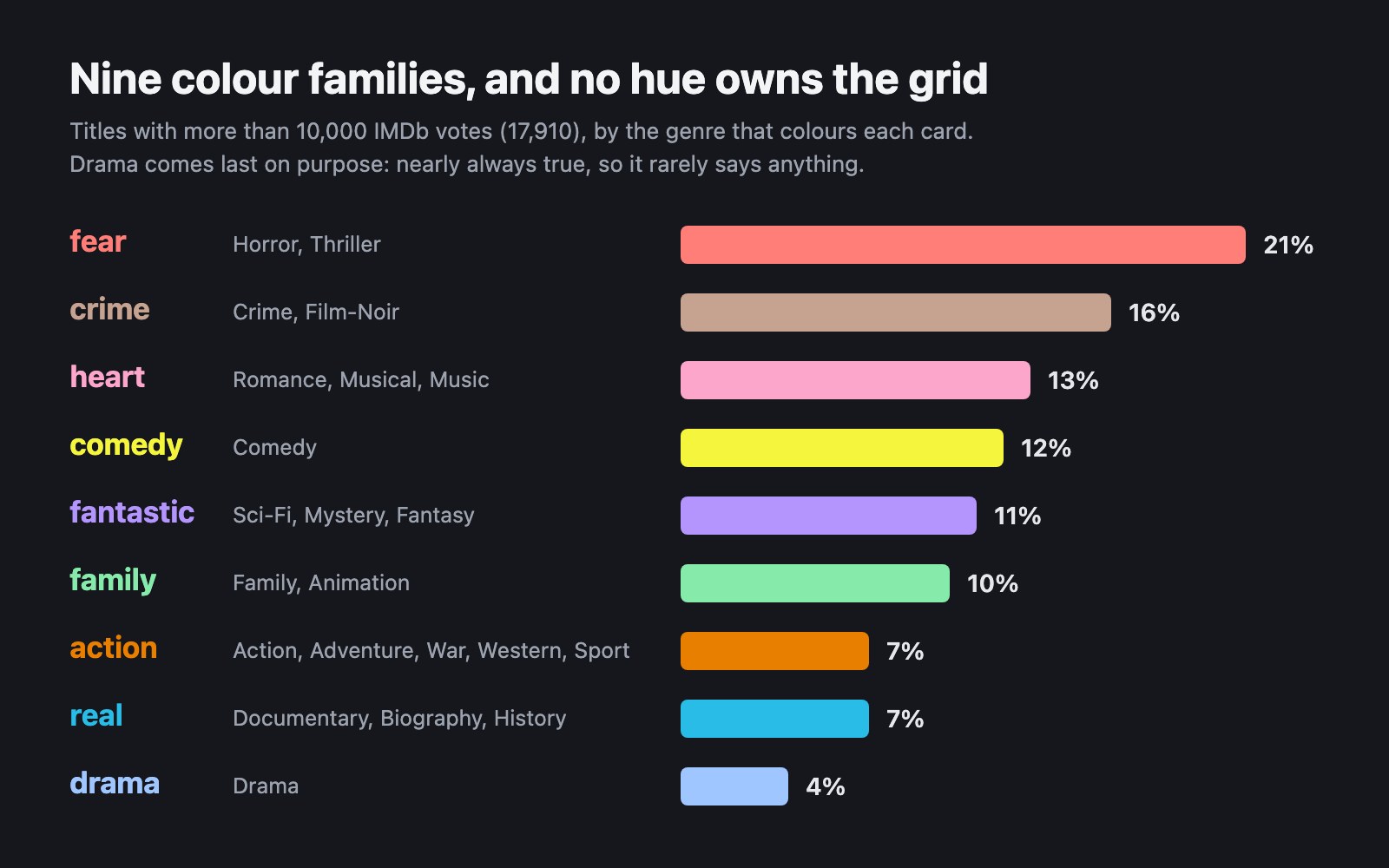
in progressI choose what to watch, and see where I can stream it, from a catalogue on my own machine. It holds 12.7 million IMDb titles in SQLite, with posters and streaming availability from TMDB, and my watch log is kept as plain files in git.
Sofra
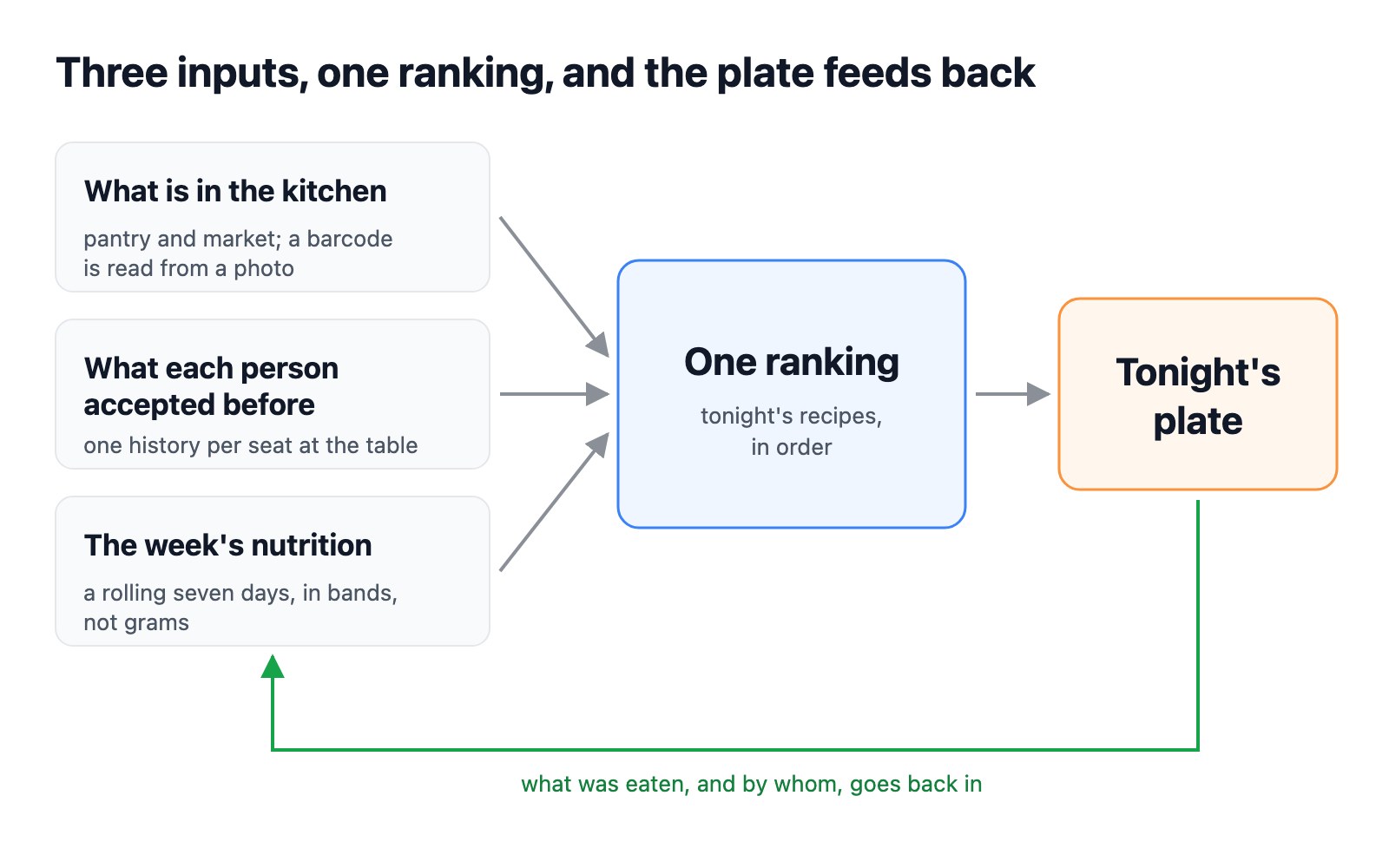
in progressWe use it at home to decide what to cook. What is in the kitchen, what each person has accepted before and the week's nutrition go into one ranking, and how tonight's plate went is fed back in.
mesh
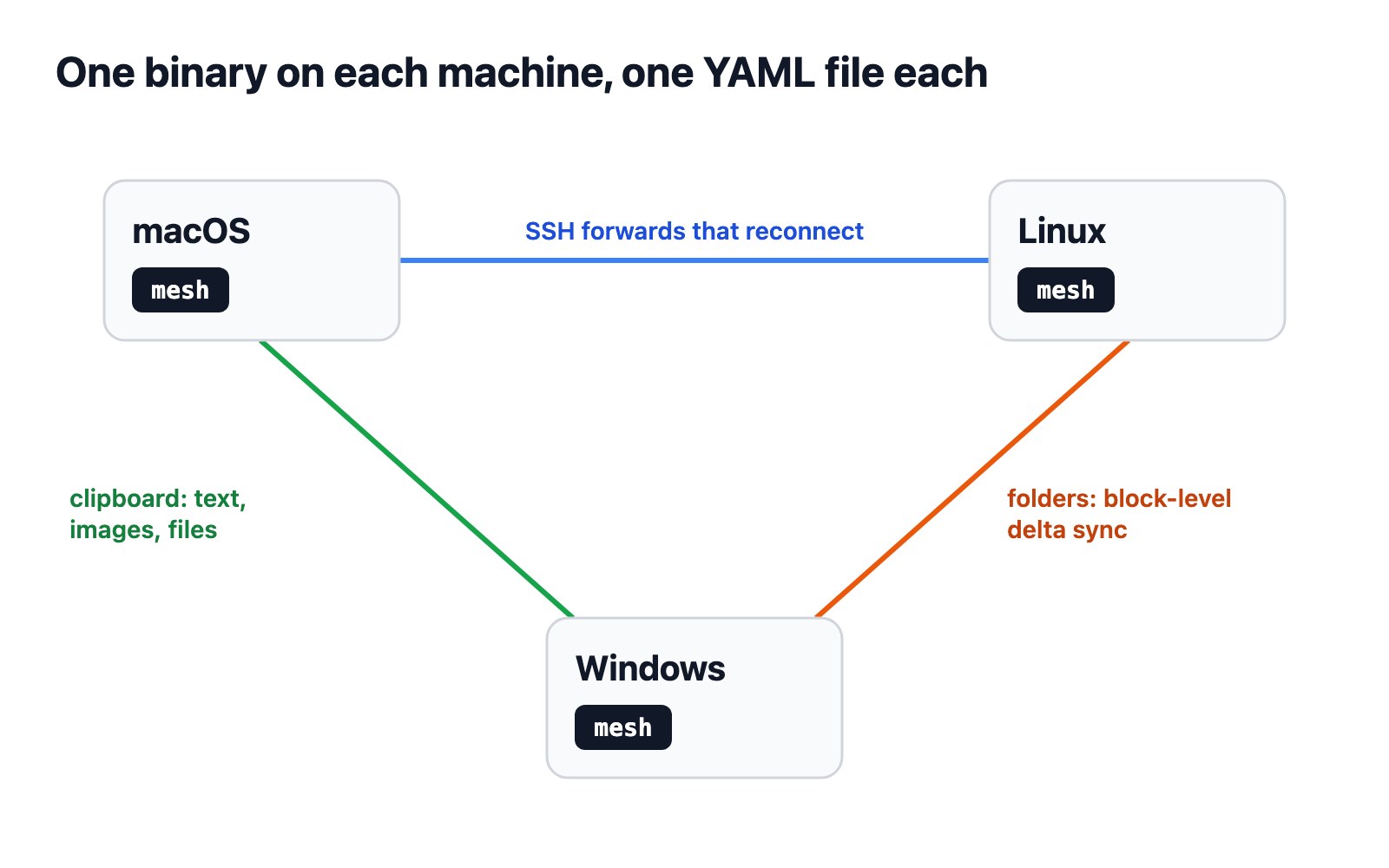
in progressI do the work of several networking tools with one Go binary and one YAML file. It keeps SSH forwards up, syncs the clipboard and folders across machines, and translates between the Anthropic and OpenAI API formats.
-
Adil Sepet
in progressSee who owns the brand you are buying, its documented ties, its halal certification and its health information, each fact with its source. For now it runs only on my own computer.
-
Bedesten Kiosk
in progressA shirt shop's customer picks the fabric, collar and cuffs on a touch screen and sees the shirt before it is sewn. It is a prototype and has not been tried with a real customer yet.


-
Stop Reading Iceberg Manifests by Hand
A new tool to make Apache Iceberg metadata exploration faster and easier: Iceberg Lens. It turns complex metadata into an interactive graph with detailed inspection, designed for debugging and understanding table structure without manual file parsing.
-
Design Challenge: Integrate Kubernetes VPA with Apache Spark
Exploring the challenges and design approaches for integrating Kubernetes Vertical Pod Autoscaler (VPA) with Apache Spark for efficient resource management.
-
Why I Switched From Backend to Big Data Engineer After 10+ Years
After over a decade of working as a backend engineer, I switched to a new domain. This post explores my unexpected transition into the world of Big Data and the motivations behind my career shift.


Dronosfer
All videosMy Turkish YouTube channel about flying and filming with a small drone. The newest videos come first.
Ailece Ankara
Our family's guide to Ankara for people with kids. Since 2019 we have been writing about the cafés, parks, day trips and events we go to, on the website and on Instagram.